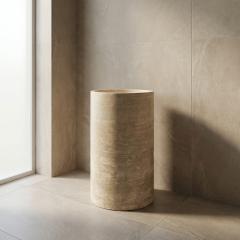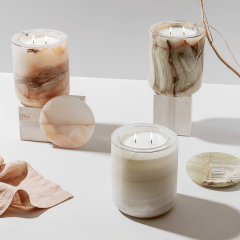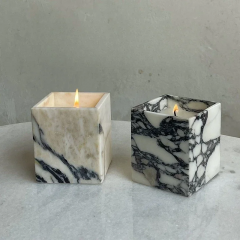
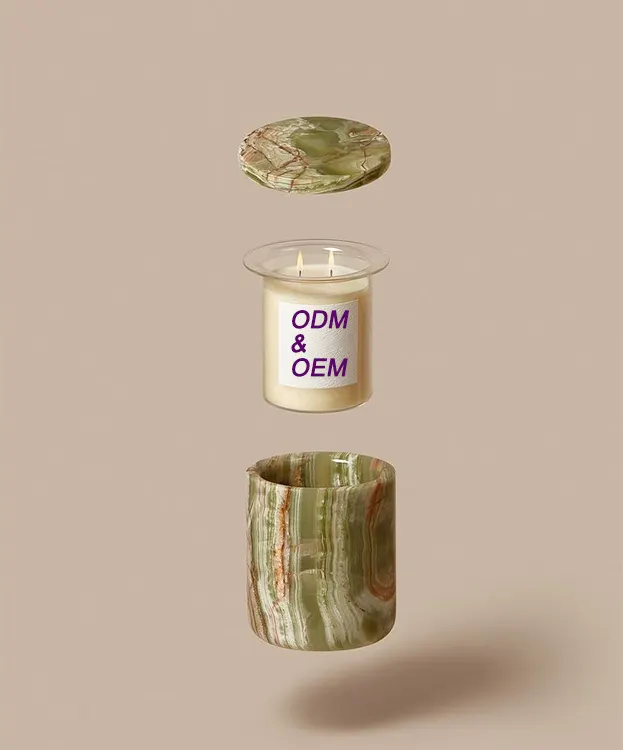
تتخذ ماركات الشموع الفاخرة خطوة حاسمة نحو حجر طبيعي ليس فقط للحصول على مظهر فاخر، ولكن لتلبية طلب المستهلكين على الاستدامة، والرفاهية الحسية، والتصميم الخالد ويعود هذا التحول إلى الابتعاد عن الأواني الزجاجية والخزفية ذات الاستخدام الواحد، والتوجه نحو الأواني القابلة لإعادة التعبئة ذات التصميمات الفنية، مما يعزز حضور العلامة التجارية في المنزل. .
يغطي هذا الدليل، المصمم خصيصاً لخبراء التوريد ومديري المنتجات، عروض القيمة المتميزة، والفروق الدقيقة في المواد، واتجاهات السوق التي تدفع هذا التغيير.
مساران للإنتاج: المنحوت مقابل المركب
عند البحث عن الأواني الحجرية، فإن قرارك الأول هو الاختيار بين أصالة الحجر الصلب المنحوت ومدى عملية المواد المركبة ذات التأثير الحجري.
-
حجر طبيعي صلب منحوت كل قطعة منحوتة من كتلة واحدة من العقيق اليماني أو الترافرتين أو الرخام يتميز هذا المنتج بأصالة لا مثيل لها، وأنماط طبيعية فريدة، وملمس فاخر وثقيل. ومع ذلك، فهو أغلى ثمناً، وأثقل وزناً (مما يزيد من تكاليف الشحن)، وأكثر هشاشة وقابلية للكسر. يُعد هذا الخيار الأفضل للإصدارات المحدودة فائقة الجودة حيث تكون سلامة المنتج أمراً بالغ الأهمية.
-
مركبات ذات تأثير حجري مصبوب مصنوعة من السيراميك أو الراتنج الممزوج لتقليد الحجر، هذه المنتجات أخف وزنًا وأكثر متانة، مما يجعلها مثالية للعلامات التجارية الخاصة. إنها أكثر بأسعار معقولة متينة، وقابلة للتخصيص بدرجة عالية (الألوان، أنماط العروق) ومع ذلك، قد يكون التعرق أقل عضوية. ويفتقر إلى المزايا الحرارية للحجر الحقيقي .
أنواع الأحجار الرئيسية وخصائصها الحسية
يُعد اختيار الحجر الطبيعي المناسب أداةً لسرد القصص. فكل نوع منه ينقل رسالة مميزة للعلامة التجارية ويخلق تجربة حسية فريدة.
اتجاهات الصناعة والتحولات الاستراتيجية
إلى جانب الفوائد المادية، تتبنى العلامات التجارية استخدام الحجر لمواكبة اتجاهات الصناعة الرئيسية:
-
سوق صاعدة العالم شمعة فاخرة من المتوقع أن يتضاعف حجم السوق تقريباً من 603.1 مليون في عام 2024 إلى **** 603.1 مي ll أنا o نين 2024 ت o * * 1.18 مليار بحلول عام 2030** يدفع هذا النمو العلامات التجارية إلى الابتكار بما يتجاوز العطور.
-
الاستدامة كمعيار الحجر الطبيعي مادة صديقة للبيئة، وطول عمره يشجع على إعادة استخدامه، مما يتوافق تمامًا مع الطلب المتزايد للمستهلكين على المنتجات المستدامة. .
-
عمليات الشراء القائمة على التجربة تتنافس العلامات التجارية الفاخرة على تجربة حسية متكاملة إن الجرة الحجرية الثقيلة والباردة الملمس ذات العروق الفريدة ترفع من قيمة المنتج إلى مستوى أعلى. قطعة فنية نحتية .
ملخص
إن التحول إلى الأحجار الطبيعية ليس مجرد اتجاه في مجال التغليف، بل هو توافق استراتيجي مع قيم الرفاهية الحديثة طول العمر، والثراء الحسي، والارتباط بالطبيعة. بالنسبة لخبراء التوريد، يتيح لكم الاختيار بين الأصالة المنحوتة والعملية المركبة تحديد موقع علامتكم التجارية بدقة ضمن هذا المشهد المتطور.